Winter Parking Rules in North York: What Yorkdale Residents Need to Know
October 06, 2026 - Local News


October 04, 2026 - Events
October 01, 2026 - Real Estate
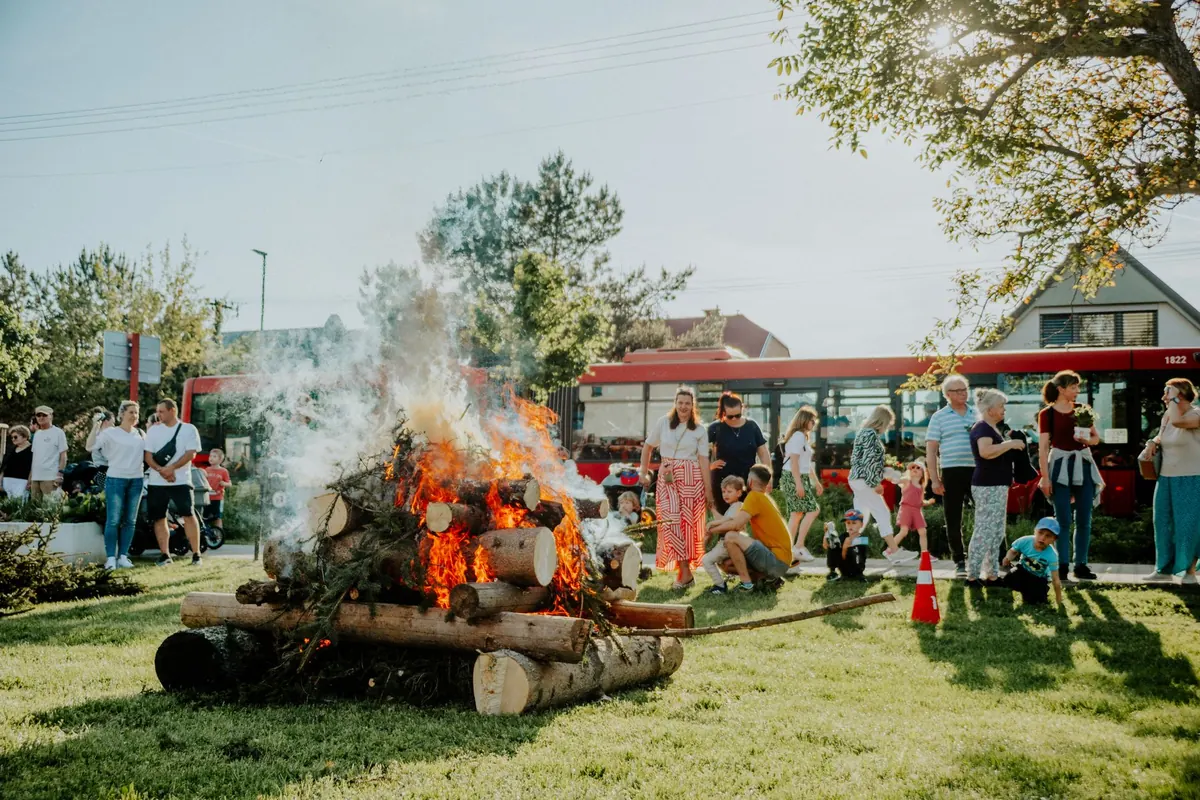
Some of the best afternoons in a neighbourhood happen on pavement you normally share with delivery vans. A block party hands a residential street back to the people who live on it for a few hours: kids on scooters, a folding table of casseroles, someone's dad minding a grill. It also takes a permit, a certificate of insurance and a plan that starts well before the first folding chair appears. None of it is difficult. It just has to happen in the right order.
Before you call anyone at the city, talk to your neighbours. The paperwork is the easy part; the mandate is the part people skip. Knock on fifteen doors or drop a simple flyer with your name, your phone number, a proposed date and one question: would you come?
That first pass will tell you more than any planning meeting. You'll learn who works nights, who has a newborn, who is away in July, and who has a driveway that guests will inevitably block. It also surfaces the street's unofficial mayor — usually the person who has lived there longest and can get twelve people to sign anything.
Pick a date that dodges long weekends, garbage day (nothing kills a mood like bins at the curb), school concerts and any other street festival nearby. Choose a rain date at the same time, so you're not renegotiating later. And check one thing early: some streets simply can't be closed. Bus routes, emergency access routes and short streets connecting two major roads rarely get approved, so confirm feasibility before you promise anyone a party.
Recruit three or four people and give each one a clear job: paperwork, money, food, day-of logistics. Name a deputy for yourself. Street parties fail when one person tries to hold every thread.
In Toronto, closing a residential street for a party runs through the City's street-event permit process. Start at the City's website, or call 311 and ask specifically which permit applies to a block party on your street. Your local councillor's office is also worth a call — they know which requirements trip people up, and they can often tell you how long the queue is that month.
What you'll typically be asked for:
Submit early. Permit deadlines are usually several weeks before the event date, which is earlier than most first-time organizers expect. Miss it and you're not hosting a block party, you're hosting a very large front-yard gathering.
Insurance, permits and alcohol rules change and vary by municipality. Confirm current requirements with the City, and get coverage and licensing questions answered by a licensed broker or the AGCO.
There's no single number, because permit fees vary by event type and are sometimes reduced or waived for community events. What you can control is the shape of the budget. Build it in categories and get quotes before you commit to a date:
Keep the money boring. One person holds the float, a simple spreadsheet tracks it, receipts go in one envelope, and a short accounting goes out afterward. If you're collecting from neighbours, say upfront what the money covers and what happens to any surplus. A small leftover toward next year's party ends most arguments before they begin.
Give every job an owner. One person on the grill, one on music volume, one on the money, one on kids' activities. Shared responsibility usually means nobody's responsibility. Tape a simple schedule to a barricade so people know when food appears and when music stops.
Set quiet hours and stick to them. The most common complaint about block parties isn't noise during the event — it's noise after it. Keep cold food cold, keep water and shade accessible on hot afternoons, and walk the street at the end with bags rather than leaving litter for the morning.
Invite past the block, too. Neighbouring streets, the letter carrier, the shop owner at the corner. A party that only includes one side of the street is a reunion; a party that includes the block is a neighbourhood.
The event isn't over when the music stops — it's over when the street is clear, the barricades are stored and the gutters are swept. Do the cleanup as a group with a set start time; it takes twenty minutes with ten people and two hours with two.
Then close the loop. Send a thank-you note or a group message, share the photos, and write down what you'd change: the food that ran out, the game nobody played, the neighbour who offered to host next year. Keep the permit, insurance certificate, receipts and contact list in one folder. Next summer, that folder turns a six-week project into an afternoon's work.
Snow routes, overnight permits and storm-day parking bans explained for Yorkdale-area residents, plus a practical...
A month-by-month look at free concerts, markets, festivals and family activities within easy reach of Yorkdale, plus...
Copyright © 2026 The Yorkdale Quarter. All Right Reserved.