Winter Parking Rules in North York: What Yorkdale Residents Need to Know
October 06, 2026 - Local News


October 04, 2026 - Events
October 01, 2026 - Real Estate
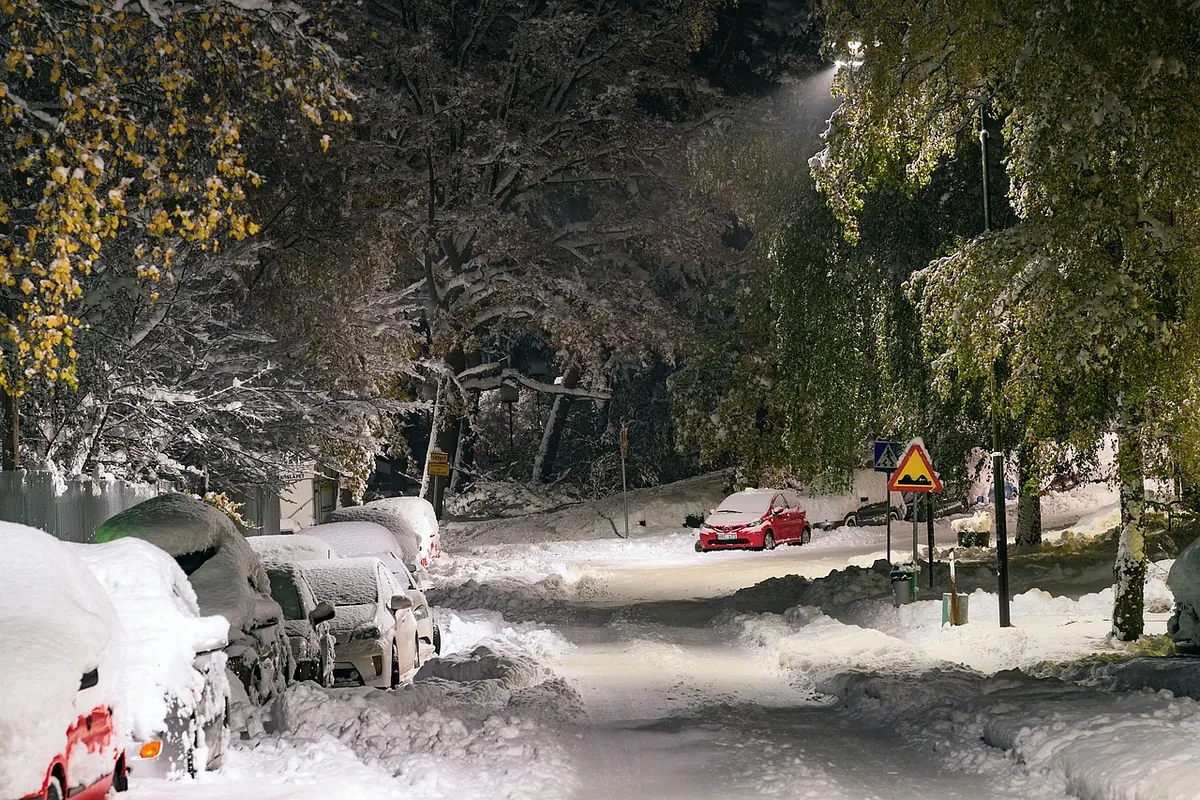
Most winter parking tickets in North York are not handed out to people who ignored a sign on purpose. They happen because the rules change fast: a storm is declared, a plow comes through at 3 a.m., or a visitor's car sits on the street an hour past the permit window. Around Yorkdale — on the residential streets behind the mall, in Lawrence Manor, and in the pockets off Bathurst and Dufferin — the difference between a quiet night and a $60-plus ticket often comes down to five minutes of preparation. Here is what actually applies between the first snowfall and the spring thaw.
Toronto designates a network of arterial and collector roads as snow routes. They are marked with signs, and the rule on them is blunt: once the city declares a major snow storm condition, parking is prohibited on those streets. Not for a quick errand, not for an hour, not "just until the plow passes."
The restriction normally stays in place for up to 72 hours after the declaration, or until clearing and removal work is finished — whichever comes first.
Snow routes in this part of the city are the bigger through-streets rather than the crescents and cul-de-sacs, but the exact list is longer than most people assume. The city publishes a snow route map, and 311 can confirm whether a specific address is on one. If your street has a snow route sign, treat any declared storm as a signal to get the car onto a driveway, into a garage, or onto a nearby street that is not designated. Enforcement during a storm condition is not a warning-first situation; vehicles can be ticketed and towed so plows and salt trucks can clear a full lane.
Even without a declared storm, you can still be ticketed for leaving a car where it blocks a plow, narrows a lane to the point that traffic cannot pass, or sits in a way that prevents salting. On a snowy street, that judgment is usually made by the officer standing outside in the cold.
Parking on a Toronto street overnight requires a permit, and the overnight window runs from just after midnight until 7 a.m. In North York, many residential streets allow permit parking; others are restricted, and a few have signed time limits that apply all year. The signs at both ends of the block are the authority — not what the neighbour down the street has been doing for a decade.
Temporary permits can be purchased online, either for a single night or for a short block of nights, and the city caps how many nights a household can buy in a given period. Buy it before the car is parked, not the next morning when the ticket is already on the windshield. A handwritten note on the dashboard is not a permit, and neither is a neighbour's goodwill.
This matters most for visitors. Family over for the holidays, a contractor's van, a friend staying the weekend — if their vehicle is on the street after midnight, someone needs a permit for that plate. Set a reminder on your phone for the nights you will need one; the online system takes a couple of minutes.
A declared major snow storm condition flips a switch. Snow route parking ends, plowing crews move in with priority, and enforcement shifts from routine to clearing-focused. Cars in the way are the first thing removed.
Two practical points people learn the hard way. First, if you dig your car out before the plow has passed, you will likely dig it out again — the plow pushes snow to the curb, and the windrow it leaves behind can be waist-high on a driveway apron. Second, do not shovel or snowblow snow from your driveway or sidewalk into the roadway. That is a bylaw offence, and it makes the street worse for everyone, including you.
Property owners are also expected to clear snow and ice from the sidewalk next to their property within 12 hours of a snowfall ending. In a neighbourhood where a lot of people walk to Yorkdale station, that is not just a courtesy.
Winter enforcement tends to cluster around a handful of easy-to-miss situations:
Read the notice carefully. It will state the deadline to pay or to request a review through the city's administrative penalty system, and that window is shorter than most people expect. Ignoring it does not make it go away; missed deadlines usually add costs.
If you believe the ticket was issued in error — a permit that was valid, a sign completely obscured by a snowbank, a plate number recorded incorrectly — gather your evidence early: permit confirmation, photos of the location and the signage, and the time-stamped details of where the car was. Disputes are handled through the city's process, and for anything beyond a straightforward review, it is worth speaking with a licensed paralegal who handles municipal tickets. This is general information rather than legal advice for your specific situation.
Winter parking in this corner of North York rewards a small amount of foresight. Know your street, keep the permit current, keep the plate clear, and have somewhere else to put the car when the plows are coming. Do that, and the season passes without a single envelope under the wiper.
Photo: qimono / Pixabay
A month-by-month look at free concerts, markets, festivals and family activities within easy reach of Yorkdale, plus...
Toronto now allows garden suites and other secondary units on most residential lots. Here's what Yorkdale-area...
Copyright © 2026 The Yorkdale Quarter. All Right Reserved.