Winter Parking Rules in North York: What Yorkdale Residents Need to Know
October 06, 2026 - Local News


October 04, 2026 - Events

October 01, 2026 - Real Estate
The first hard frost in this corner of Toronto usually arrives sometime in October, and it rarely announces itself. You go to bed with a window cracked and wake up to a white lawn and a furnace that has suddenly become the most important appliance in the house. Most of what carries a home through a Toronto winter is unglamorous work spread across two or three weekend mornings.
Housing around Yorkdale runs from 1950s bungalows near Lawrence Manor to newer infill closer to the mall, so not every item below applies to every house. Treat it as a checklist to edit rather than a script to follow.
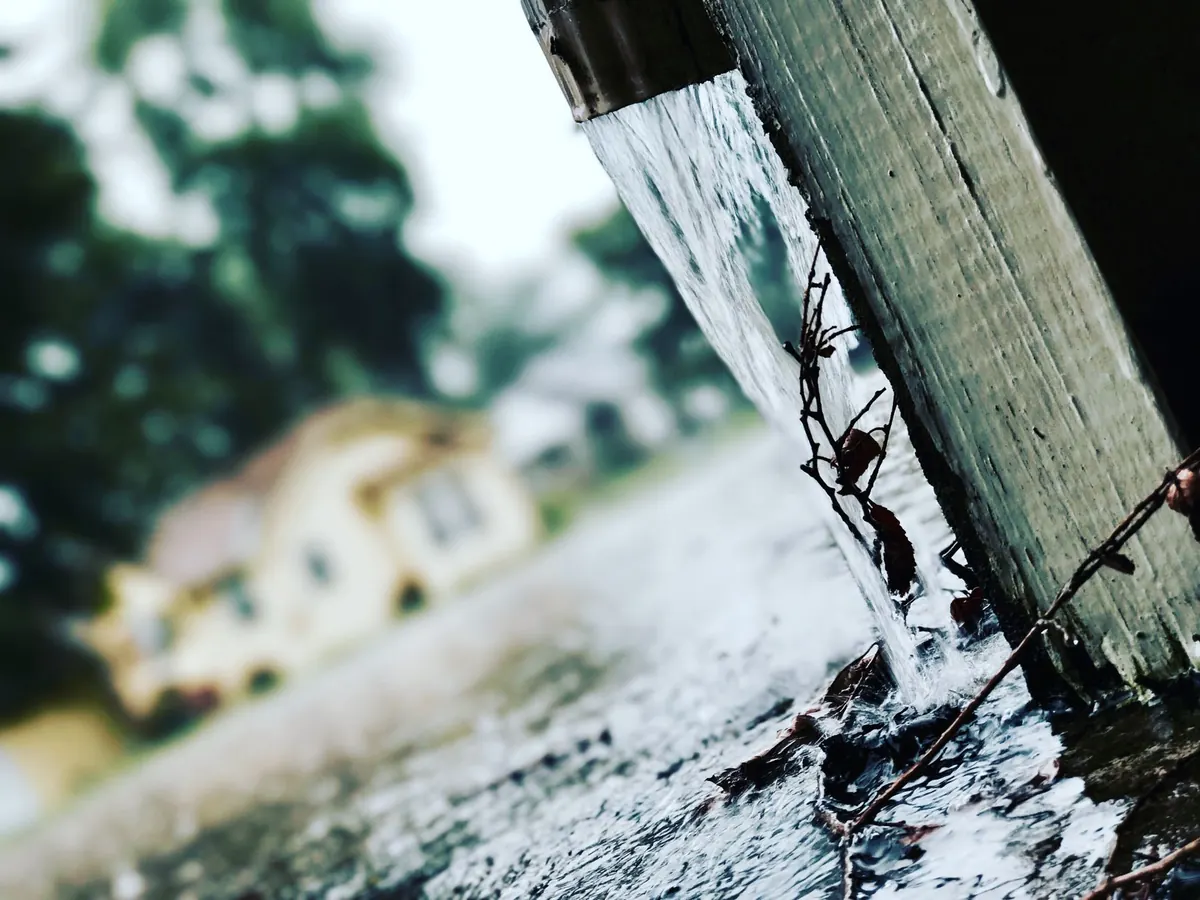
Leaves are the whole story here. The mature maples and oaks on the side streets, plus anything on ravine-adjacent lots near the Beltline, drop a remarkable volume of debris into eaves troughs. Wet leaves that sit through a freeze turn into something closer to concrete than compost, and backed-up water finds its way to fascia boards and foundation walls. Clean the troughs after the bulk of the leaves have fallen but before the first hard freeze, then look again in late November if the weather cooperates.
If ladders aren't your thing — and with wet leaves on the ground, there's no shame in that — a gutter cleaning service costs far less than repairing fascia and a damp basement wall.
Book a furnace service in September or early October if you can. Contractors fill up fast during the first cold snap, and the households that wait are the ones heating one room with a space heater while they wait for a part. Before the technician arrives, do the simple things yourself:
If you smell gas, hear unusual noises from the furnace, or notice the flame burning oddly, stop and call a licensed technician. Gas work isn't a weekend project.
This is the cheapest comfort upgrade available to most homes, and it takes an afternoon. Walk the exterior on a dry day and look closely at where trim meets brick, where window and door frames meet siding, and anywhere you can see a gap you could slide a credit card into.
Sealing a handful of obvious gaps is one of the few home chores where you feel the difference the same week.
One caution: never seal the small vertical gaps at the bottom of a brick wall. Those weep holes let moisture escape, and blocking them traps water inside the wall.
Cool-season grass does most of its root-building in autumn, which makes the next few weeks more valuable than anything you do in spring. Aim to finish the season with the lawn slightly shorter than usual — around five to six centimetres — so it doesn't mat under snow.
Anything overhanging a roof, a driveway or a power line is a job for a certified arborist. Winter ice makes weak limbs heavier, not lighter.
Water damage is the expensive part of winter, and almost all of it is preventable in an afternoon.
Gather the practical things before the first storm, while the hardware store still has them: a sturdy shovel, a snow brush, a bag of ice melt (pet-safe if you have a dog), flashlights with fresh batteries, and a working extension cord for the block heater or outdoor lights. If you keep a generator, run it outdoors only, well away from windows and doors. For anything involving your electrical panel, call a licensed electrician rather than working it out from a video.
Spread this over three Saturdays and it never feels like a chore. Weekend one: roof, gutters and downspouts. Weekend two: furnace service, filters, alarms and caulking. Weekend three: lawn, garden, hose bibs and the sump pump. Then take fifteen minutes to write down a short list of anything you noticed but didn't fix — a loose shingle, a drafty door, a slow drain — so it doesn't become a February emergency.
Do the first weekend while the weather is still pleasant and the work is almost enjoyable. Come January, you'll be glad you did.
Photo: Terrance Moon / Pexels
Snow routes, overnight permits and storm-day parking bans explained for Yorkdale-area residents, plus a practical...
A month-by-month look at free concerts, markets, festivals and family activities within easy reach of Yorkdale, plus...
Copyright © 2026 The Yorkdale Quarter. All Right Reserved.