Winter Parking Rules in North York: What Yorkdale Residents Need to Know
October 06, 2026 - Local News


October 04, 2026 - Events

October 01, 2026 - Real Estate
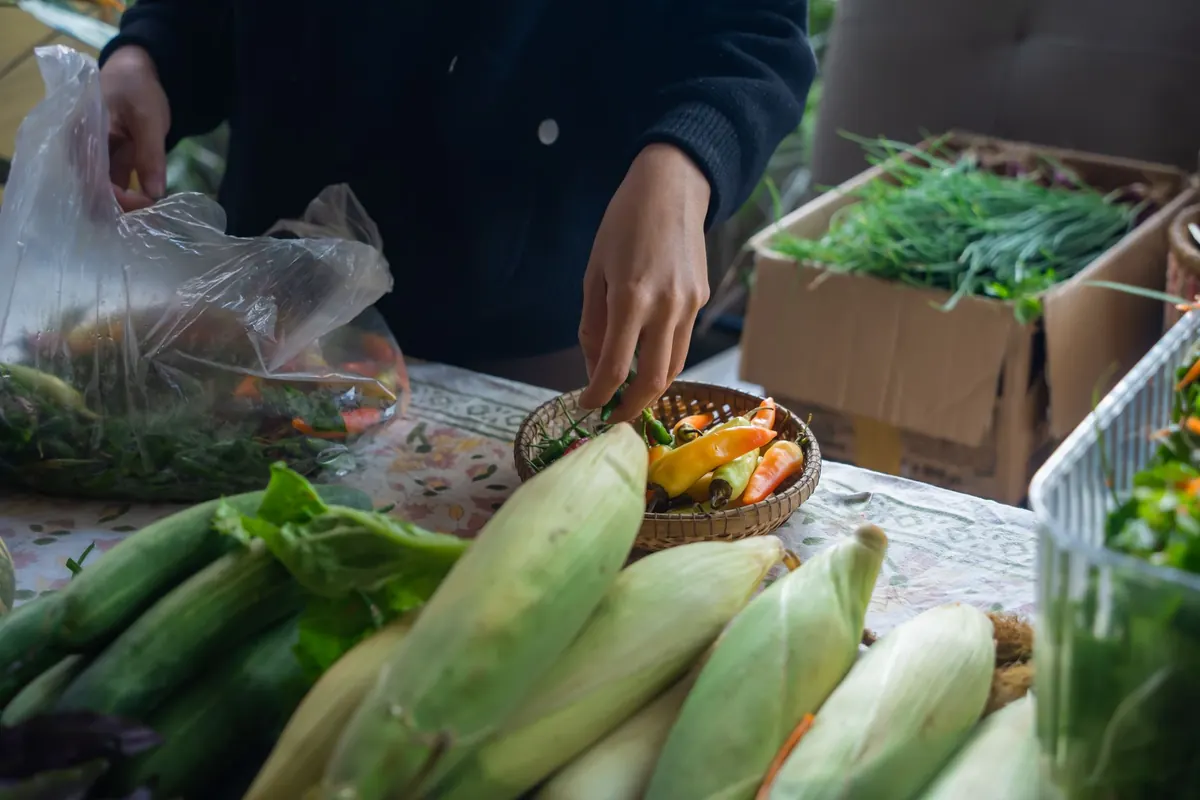
Two grocery runs, two very different receipts. One happens in a parking lot on a Saturday morning, cash in hand, tomatoes still warm from the field. The other happens under fluorescent light, loyalty card in wallet, self-checkout beeping. Both feed a household for a week. Which one leaves more money in your pocket has less to do with the store than with what ends up in the cart.
That last point is worth repeating, because the debate usually turns into a loyalty contest. Market people say the chain is overpriced and plastic-wrapped. Chain people say the market is a quaint way to spend twice as much on a cabbage. Both are sometimes right. The real answer for most Yorkdale households is a split list, and the split changes with the season, the sales cycle and what your family actually eats.
Worth saying plainly before the receipts come out: the weekend market beats the chain grocer on some items by a wide margin, and loses on others by more than most people expect. Locals who actually save money aren't loyal to either one. They split the list.
They also know that "cheaper" is not a fixed label. A stall selling peaches at the peak of August can undercut the chain by half. The same stall in February is selling fruit that traveled just as far as the chain's, often at a higher price. The chain's loss leader on chicken breasts might beat every butcher in town one week and lose badly the next. If you shop the same way every week, you're overpaying somewhere.
A weekly basket for two adults and a child: produce, eggs, dairy, bread, one meat item and a few pantry staples. On one side, the neighbourhood weekend market — stalls, cash boxes, no flyers. On the other, the large chain grocer. Market prices shift with the season and vary stall to stall, so treat every figure below as a worked example rather than a price list. Plug in your own receipts and the pattern still holds.
Two costs never show up on a receipt: time and travel. If getting to the market means a special trip, a parking fee or an hour you'd rather spend elsewhere, that belongs in the math too. The same goes for the chain: a ten-minute drive each way, a store layout designed to make you walk past the bakery, and a checkout lane that turns a quick stop into a twenty-minute errand. Cheap food you never get around to cooking is not cheap.
In-season produce is the obvious answer, but the gap is widest on things that travel badly.
There's a quieter advantage too: you can buy the amount you need. Two carrots, one onion, half a pound of beans. Try that at a chain and you're paying for a bag you'll throw out. For a small household, that flexibility is worth more than any single price difference. A stallholder will also tell you what's good this week and what to skip, which is a kind of customer service the chain replaced with a self-checkout screen.
Pantry staples are where the chain's buying power shows up. Flour, rice, pasta, oil, tinned tomatoes, coffee, cereal — bought in volume and sold at a margin no market stall can match. The same goes for most dairy: milk, butter, yogurt and cheese are almost always cheaper at the chain, especially the store brand. Frozen vegetables, canned beans and household basics like detergent and paper towels are not even a contest. The market doesn't stock them, and if it did, you'd pay a premium for the privilege.
Meat is more complicated. The chain's industrial chicken and ground beef are usually cheaper per pound, but the market's pasture-raised pork or small-farm lamb can be a better value if you're comparing quality rather than just price. For a weeknight stir-fry, buy the chain's chicken. For a Sunday roast you actually want to taste, the market is often worth the extra few dollars.
The chain also wins on consistency. You know the price of bananas in January. You know the store will have what you need at 8 p.m. on a Tuesday. You know the loyalty points will add up to something, even if it's just a few dollars off a future shop. That predictability has real value for a busy household, and pretending otherwise is how people end up making a special trip to the market for one item they could have grabbed on the way home.
Money is only part of the receipt. Here's what usually gets left out of the market-versus-chain argument:
If you want the short version: the market wins on flavour and flexibility, the chain wins on volume and predictability. The savings come from knowing which one you're shopping for.
Here's how a Yorkdale household might actually divide the week:
This isn't a rigid system. Some weeks the market is the only place with good tomatoes and the chain gets everything else. Some weeks the chain's flyer has a deal on chicken that beats every stall in town. The point is to stop treating either store as a default. Your list should decide where you shop, not the other way around.
The household that saves the most isn't the one that swears off the chain or the one that never sets foot in a market. It's the one that knows the price of the ten things it buys most often, checks the flyer before leaving the house, and buys produce when it's in season rather than when it's convenient. That's less exciting than picking a side, but it's the only method that survives a winter.
Start with one week. Keep both receipts. Circle the items where the price difference was bigger than you expected, and let that shape the next trip. After a month, you'll have a split list that's yours, not a generic one from an article. And you'll probably spend less than you did when you were loyal to either store.
Photo: Surya Travel / Pexels

Snow routes, overnight permits and storm-day parking bans explained for Yorkdale-area residents, plus a practical...
A month-by-month look at free concerts, markets, festivals and family activities within easy reach of Yorkdale, plus...
Copyright © 2026 The Yorkdale Quarter. All Right Reserved.